Energy & Natural Resources
Africa Renewable Energy Outlook 2026: Solar Investment, Power Infrastructure and Business Opportunities
Explore Africa’s renewable energy investment landscape in 2026, including solar power, distributed energy, battery storage, mini-grids, and electricity infrastructure. This strategic overview examines market opportunities, financing considerations, and commercial prospects for investors, project developers, equipment suppliers, and energy-service companies across selected African markets.
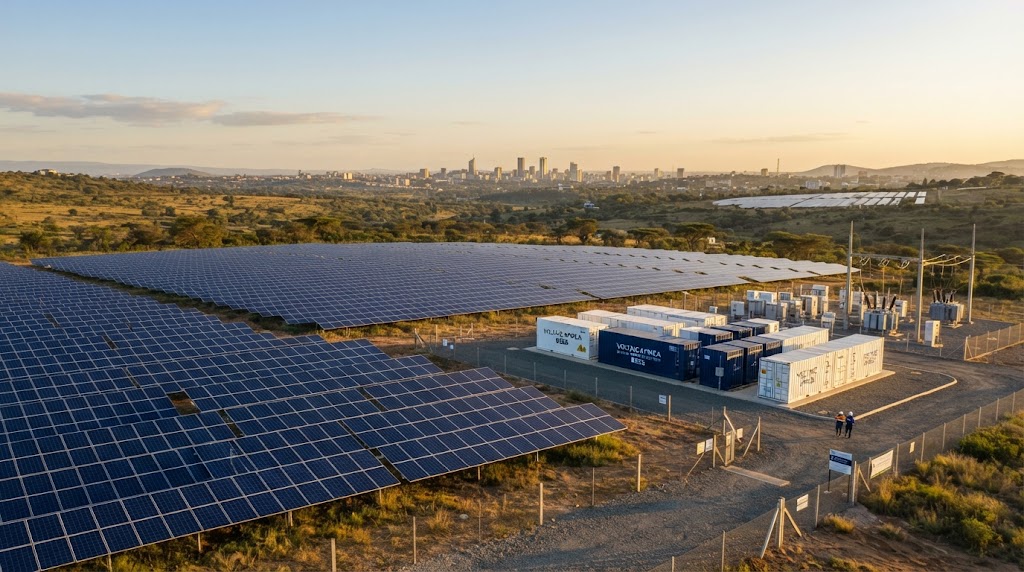
Africa’s renewable energy sector presents opportunities for businesses seeking to address electricity access, energy reliability, and growing power demand. Solar generation, battery storage, mini-grids, and distributed energy systems are potential areas for investment and commercial participation.
However, identifying viable opportunities requires more than understanding the continent’s energy needs. Investors and service providers must assess project economics, regulatory frameworks, financing availability, customer demand, and the capabilities of local partners.
- Solar Energy and Distributed Power
Solar energy can support households, commercial facilities, industrial operations, farms, and public infrastructure. Businesses may participate through equipment distribution, installation, engineering services, project development, maintenance, and energy-management solutions.
Commercial viability depends on factors such as equipment costs, currency exposure, payment structures, grid reliability, and customers’ ability to pay.
- Battery Storage and Mini-Grids
Battery storage can improve the usefulness of renewable electricity by helping manage fluctuations in generation and demand. Mini-grids and standalone systems can also serve communities and businesses where grid connections are limited or unreliable.
Potential business opportunities include system integration, battery maintenance, energy monitoring, technical support, and productive-use applications. Each project requires appropriate technical design, safety procedures, financing, and long-term maintenance arrangements.
- African Markets to Assess
Nigeria: Opportunities may include commercial and industrial solar installations, distributed energy, battery storage, and power solutions for businesses seeking more reliable electricity.
Kenya: Distributed renewable energy, mini-grids, and commercial solar solutions are areas worth examining alongside the country’s established renewable electricity sector.
South Africa: The market offers potential across commercial solar, storage, energy services, and electricity-system solutions. Regulatory conditions and grid connection requirements should be reviewed for each project.
Ghana: Businesses may investigate commercial solar, energy efficiency, distributed power, and solutions supporting organisations with high electricity costs or reliability needs.
These are markets for further research, not a verified list of currently available projects or investment offers.
- Investment Considerations and Risks
Renewable energy projects can face financing constraints, import costs, currency fluctuations, regulatory uncertainty, grid limitations, and customer payment risks. Investors should also assess equipment quality, warranties, installation standards, insurance, and the availability of technical support.
A credible opportunity assessment should distinguish announced initiatives from projects with confirmed funding, permits, procurement schedules, and identifiable buyers.
How Business Intelligence Supports Renewable Energy Decisions
Market research and competitive intelligence can help organisations evaluate demand, compare markets, identify potential customers and suppliers, assess competitors, and prioritise business-development activities.
Grow Africa Business Intelligence supports these decisions through AI-powered business intelligence, market research, opportunity intelligence, supplier research, and structured decision-support reporting.
Conclusion
Africa’s renewable energy sector offers potential opportunities across solar power, storage, mini-grids, and distributed electricity solutions. Success depends on evidence-led market selection, credible partners, sound project economics, and an understanding of local operating conditions.
Grow Africa Business Intelligence helps turn business information into intelligence for better-informed strategic decisions.
Research note: This article is a strategic overview, not investment advice or confirmation of active tenders. Verify current market data, project status, regulatory requirements, and commercial details through authoritative sources before making investment decisions.